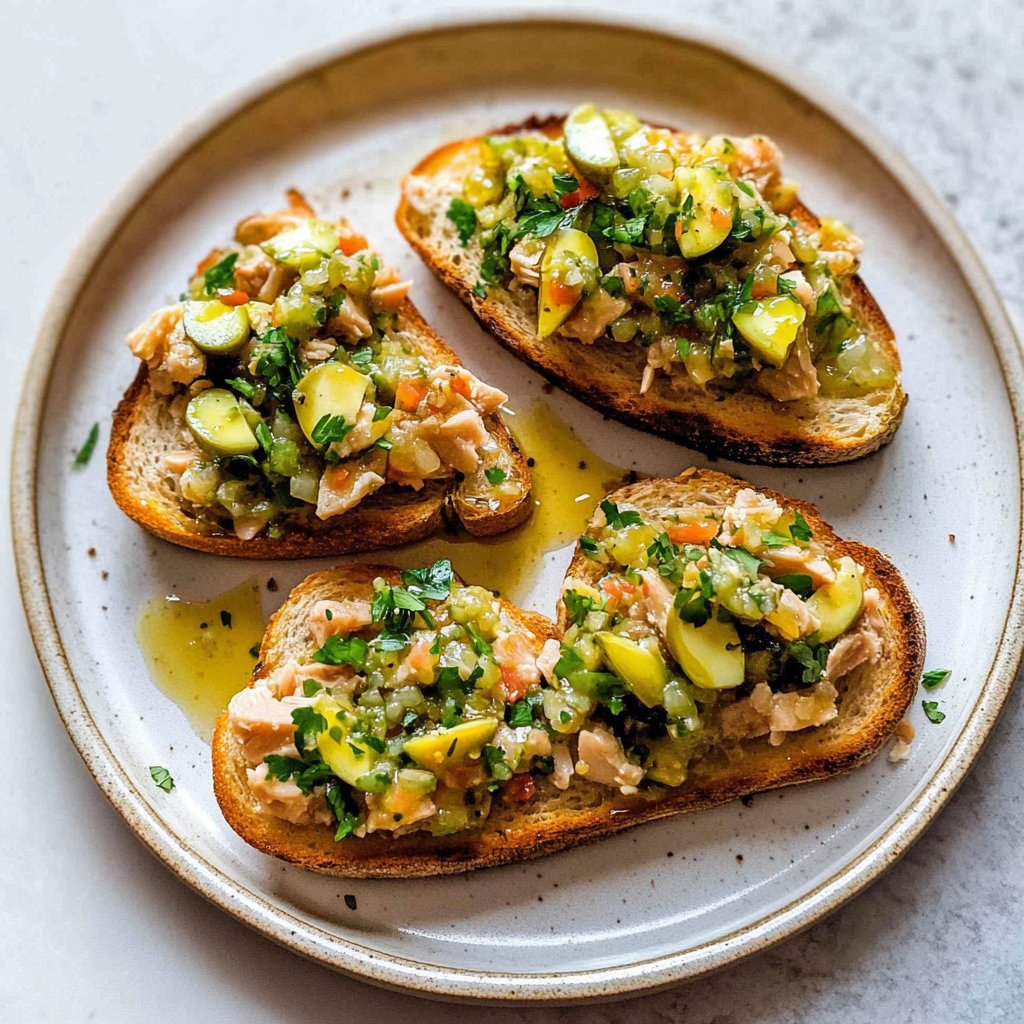
Customize Your Olive Salsa: Processor Tips for Chunky Perfection
Imagine a vibrant, zesty, and utterly addictive appetizer that comes together in mere minutes, leaving your guests clamoring for the recipe. That's the magic of homemade olive salsa! More than just a condiment, it's a versatile dish that brightens any table, perfect for impromptu gatherings or planned celebrations. While many believe exceptional salsa requires extensive chopping, we're here to reveal the secret to achieving that coveted chunky texture with minimal effort: your food processor. Get ready to transform simple ingredients into a gourmet delight, tailored precisely to your taste. For an even deeper dive into its ease, check out our guide on
Quick & Easy Olive Salsa: The Crowd-Pleasing Appetizer You Need.
The Allure of Homemade Olive Salsa: A Crowd-Pleasing Classic
There's a reason why olive salsa earns nicknames like "Dana's Salsa" or becomes a backyard entertainment staple – it's simply irresistible. Its rich, savory, and tangy profile makes it a standout appetizer that disappears quickly. The beauty lies in its simplicity and the ability to keep most ingredients on hand, making it the ultimate impromptu creation. But what makes it so universally loved?
*
Speed: A delicious batch can be ready in under 10 minutes, especially with the right tools.
*
Flavor Profile: The combination of briny olives, fresh aromatics, and zesty acids creates a complex taste that awakens the palate.
*
Versatility: While famed as a dip for tortilla chips, its applications extend far beyond, adding a punch to countless dishes.
*
Customization: Unlike store-bought alternatives, homemade olive salsa allows you to fine-tune every element to suit individual preferences.
This dish isn't just about convenience; it's about crafting an experience. When you serve your homemade olive salsa, be prepared for appreciative murmurs and eager requests for your "secret" recipe!
Crafting Your Perfect Olive Salsa: Ingredient Selection & Customization
The foundation of any great olive salsa lies in its ingredients. The good news? You likely have many of them already. But knowing how each component contributes to the overall flavor and texture is key to true customization.
The Star: Olives
This is where the real fun begins. You can mess with the mix and quantity of olives to suit your taste, but remember to always drain them well to avoid a watery salsa.
*
Green Olives: These are unripened black olives, giving them a firmer texture, sharper taste, and a slightly more bitter, peppery note. Their salty brine is essential to their appeal.
*
Manzanilla: Often pimento-stuffed, these add a lovely color variation and mild tang.
*
Picholine: A firmer texture with a distinct anise-like flavor.
*
Castelvetrano: Known for their slightly sweeter flavor and vibrant, rich green color.
*
Black Olives: These are ripened green olives, generally milder, softer, and less briny. They provide a deeper, earthier flavor that complements the sharpness of green olives beautifully. Combining both green and black olives offers a fantastic balance of flavors and textures.
Aromatics & Freshness
These ingredients provide the backbone of flavor and freshness:
*
Onions: Essential for their pungent bite.
*
Red Onion: Offers a beautiful color and a slightly peppery, sharp flavor.
*
White Onion: A classic choice, providing a crisp, strong onion flavor.
*
Shallots or Scallions: Milder alternatives for a more delicate touch.
*
Garlic: Non-negotiable! Fresh garlic provides an unmatched aromatic depth. Mince it finely for even distribution.
*
Chilies: For that perfect kick.
*
Red Pepper Flakes: Easy to incorporate and distribute heat evenly.
*
Fresh Chilies: Serrano or jalapeño can be added for a brighter, spicier note. Remember to remove seeds for less heat.
*
Tomatoes: (Optional, but recommended for a classic salsa feel) Fresh tomatoes, like Roma or cherry tomatoes, add a juicy sweetness and a softer texture contrast.
*
Herbs: Fresh is always best, lending a vibrant aroma and color.
*
Parsley: A classic choice, offering a clean, fresh taste.
*
Cilantro: For those who love its distinctive, zesty flavor.
*
Watercress or Arugula: For a more peppery, slightly bitter edge, especially in a salsa verde style.
Acids & Oils
These bring the salsa to life, balancing the flavors and enhancing texture:
*
Extra Virgin Olive Oil: Crucial for richness and body. Choose a good quality oil for the best flavor.
*
Vinegar: Provides the essential tang and acidity.
*
Red Wine Vinegar: Often preferred for its balanced sweet-acidic profile.
*
White Wine or Sherry Vinegar: Good alternatives.
*
Lemon or Lime Juice: A few squeezes can also provide a bright, zesty acidity if you prefer.
*
Olive Brine: A secret weapon! Don't discard that liquid. A tablespoon or two of brine from your olives can add an extra layer of salty, savory depth and help meld flavors.
A great example that focuses on the green olive aspect is our
Green Olive Salsa Verde: Zesty, Versatile, and Ready in 10 Minutes, which highlights how these components work together.
Processor Perfection: Achieving That Ideal Chunky Texture
The key to a truly satisfying olive salsa is texture. We want distinct, delectable pieces, not a watery purée. This is where your food processor becomes your best friend, allowing for rapid preparation and precise control.
1.
Start with the Hardest Ingredients: Begin by adding your white or red onion (and fresh chilies, if using) to the food processor bowl. Pulse several times until the onion is finely, but still visibly, chopped. This ensures even sizing without over-processing other ingredients later.
2.
Add Olives and Drained Ingredients: Next, add your well-drained green and black olives, and any other firmer, drained ingredients like green chiles or firm tomatoes (if using). Again, pulse in short bursts. The goal here is to break them down into chunky pieces, not a paste. Avoid running the processor continuously. You want to see distinct fragments.
3.
Incorporate Remaining Ingredients: Finally, add softer ingredients like fresh herbs, minced garlic, extra virgin olive oil, red wine vinegar, hot sauce, and any olive brine.
4.
The Final Pulse: Pulse a few more times to mix everything thoroughly. This final stage should be quick – perhaps 5-10 seconds of pulsing in total. Your target is a "chunky" consistency, where all ingredients are well combined but still retain their individual textures. Over-processing at this stage will turn your vibrant salsa into a mushy spread. Monitor closely through the processor's lid.
5.
Season and Chill: Taste and adjust seasonings. A pinch of salt and pepper can make all the difference. Once satisfied, transfer the salsa to a medium bowl and chill for at least 30 minutes. This allows the flavors to meld and deepen, enhancing the overall taste.
Pro-Tip for Chunky Perfection: Always use the "pulse" button, not the continuous "on" setting. Think of it as gently tapping the accelerator rather than holding it down. This gives you maximum control and prevents accidental puréeing. If you're unsure, it's always better to under-process and manually chop a few larger pieces than to over-process.
Serving Your Masterpiece: Beyond the Tortilla Chip
While olive salsa is undeniably phenomenal with tortilla chips (the scoop-shaped ones are particularly effective!), its versatility knows no bounds. Once chilled and ready, your custom creation can elevate an array of dishes:
*
Classic Appetizer: Serve with an assortment of sturdy tortilla chips, pita bread, or crisp crostini.
*
Protein Power-Up: It makes an incredible accompaniment to grilled fish (like Mahi-Mahi seasoned simply with salt and pepper), chicken, pork, or even tofu. Its zesty profile cuts through richness beautifully.
*
Eggcellent Addition: Spoon it over scrambled eggs, omelets, or frittatas for a flavorful breakfast or brunch.
*
Veggie & Grain Booster: Mix it into roasted vegetables, grain bowls, or even pasta salads for an instant flavor injection.
*
Taco Topping: A fantastic fresh alternative to traditional taco toppings, adding a briny, tangy kick.
*
Sandwich & Wrap Spread: Use it as a vibrant spread in sandwiches or wraps for an extra layer of gourmet flavor.
*
Sauce Enhancer: Stir a spoonful into other sauces or dressings for a unique twist.
The possibilities are truly endless. This vibrant and versatile condiment keeps on giving, making every meal a little more exciting.
Conclusion
From an impromptu appetizer to a versatile kitchen staple, customizing your olive salsa with the help of a food processor opens up a world of flavor and convenience. By understanding your ingredients, mastering the art of pulsed processing, and daring to experiment, you can consistently achieve that ideal chunky perfection that will impress every time. So go ahead, gather your favorite olives, fresh aromatics, and a dash of zesty flair. Your next batch of homemade olive salsa is poised to become a legendary dish in your own kitchen – a testament to how simple ingredients, thoughtfully prepared, can create truly unforgettable culinary moments.